
A fabric structure, also known as a tension fabric structure or fabric membrane structure, is a type of architectural construction that uses flexible fabric materials, typically made from high-strength, durable textiles such as PVC-coated polyester or PTFE-coated fiberglass, to create covered spaces. These structures are characterized by their ability to span large areas and offer a variety of architectural and functional benefits.
At S&S Structures, we pride ourselves on providing exceptional value to our clients. Our innovative construction techniques and cost-effective materials enable us to offer competitive pricing per square foot.
Our commitment to efficiency shines through in our rapid installation process. We understand that time is of the essence when it comes to your projects, and our expert teams are well-versed in swift and precise installations.
At S&S Structures, we pride ourselves on providing exceptional value to our clients. Our innovative construction techniques and cost-effective materials enable us to offer competitive pricing per square foot.
Versatility is at the core of our fabric structures. We offer a wide range of foundation options to suit your specific needs.
For agricultural applications where protection from the elements is crucial, our fabric structures with integrated eaves are the ideal solution.
These benefits reflect our commitment to excellence and our dedication to meeting the unique needs of our clients. Whether you’re looking for speed, flexibility, cost-efficiency, or specialized features, we have the solutions that will make your project a success.
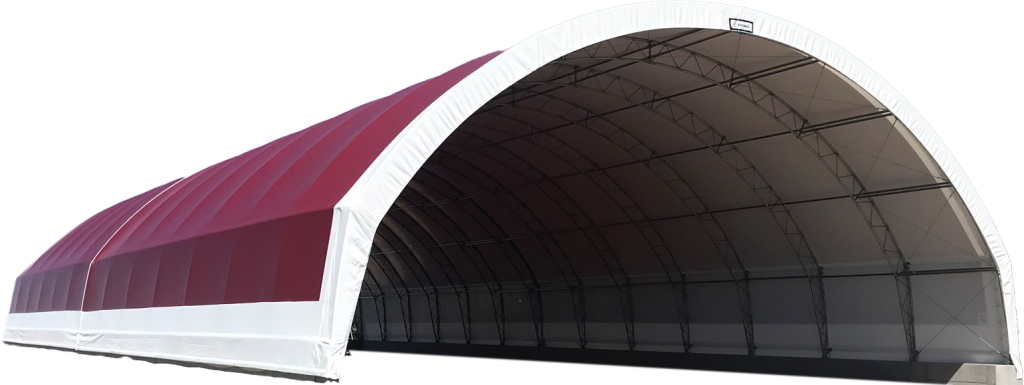
Designing a fabric structure for an arched building involves several considerations to ensure structural integrity, aesthetics, and functionality.
The most defining feature of an arched building is its curved or arch-shaped roof or facade. The arch can be semicircular, pointed, or any other desired shape. The choice of the arch shape depends on architectural preferences and structural requirements.
Arched fabric structures typically employ lightweight yet robust materials like PVC-coated polyester, PTFE-coated fiberglass, or ETFE foil. The choice of material is influenced by factors such as budget, climate, and the desired aesthetic.
A sturdy frame structure is essential for supporting the fabric. Common frame materials include steel, aluminum, or composite materials. The frame should be engineered to evenly distribute loads and provide stability to the structure.
Solid anchoring and foundation systems are crucial for arched fabric buildings. This involves concrete footings, piles, or other foundation types, depending on the building’s size and local soil conditions.
Arched fabric structures should be designed to withstand various weather conditions, including wind, snow, and rain. Engineering calculations and wind-tunnel testing ensure the structure’s stability and safety in different climates.
At S&S Structures, we pride ourselves on providing exceptional value to our clients. Our innovative construction techniques and cost-effective materials enable us to offer competitive pricing per square foot.
Determine the desired peaked shape for the fabric structure, which could be a traditional gable roof or a custom peak design that suits the architectural concept.
Peaked fabric structures use durable, weather-resistant fabric materials selected to suit the project’s budget and climate conditions. The choice of fabric is essential for long-term performance.
A robust frame structure is integral to support the fabric and distribute loads effectively, particularly at the peak. The frame materials may include steel, aluminum, or composites, depending on project requirements.
Secure anchoring and a well-designed foundation system are crucial for the stability of peaked fabric structures. Foundation choices should consider local soil conditions and structural needs.
Local climate conditions, such as wind, snow, and rain, should be taken into account during the engineering of peaked fabric structures. This ensures that the structure can withstand the elements and perform optimally over time.
These key considerations will help ensure the successful design and construction of a peaked fabric structure, meeting both functional and aesthetic objectives while addressing safety and durability concerns.
Designing a fabric structure for an arched building involves several considerations to ensure structural integrity, aesthetics, and functionality.
The most defining feature of an arched building is its curved or arch-shaped roof or facade. The arch can be semicircular, pointed, or any other desired shape. The choice of the arch shape depends on architectural preferences and structural requirements.
Arched fabric structures typically employ lightweight yet robust materials like PVC-coated polyester, PTFE-coated fiberglass, or ETFE foil. The choice of material is influenced by factors such as budget, climate, and the desired aesthetic.
A sturdy frame structure is essential for supporting the fabric. Common frame materials include steel, aluminum, or composite materials. The frame should be engineered to evenly distribute loads and provide stability to the structure.
Solid anchoring and foundation systems are crucial for arched fabric buildings. This involves concrete footings, piles, or other foundation types, depending on the building’s size and local soil conditions.
Arched fabric structures should be designed to withstand various weather conditions, including wind, snow, and rain. Engineering calculations and wind-tunnel testing ensure the structure’s stability and safety in different climates.
At S&S Structures, we pride ourselves on providing exceptional value to our clients. Our innovative construction techniques and cost-effective materials enable us to offer competitive pricing per square foot.
Determine the desired peaked shape for the fabric structure, which could be a traditional gable roof or a custom peak design that suits the architectural concept.
Peaked fabric structures use durable, weather-resistant fabric materials selected to suit the project’s budget and climate conditions. The choice of fabric is essential for long-term performance.
A robust frame structure is integral to support the fabric and distribute loads effectively, particularly at the peak. The frame materials may include steel, aluminum, or composites, depending on project requirements.
Secure anchoring and a well-designed foundation system are crucial for the stability of peaked fabric structures. Foundation choices should consider local soil conditions and structural needs.
Local climate conditions, such as wind, snow, and rain, should be taken into account during the engineering of peaked fabric structures. This ensures that the structure can withstand the elements and perform optimally over time.
1100 W Washington St, Farina, IL 62838
Office Hour 7:00 am - 3:00pm
Call Us